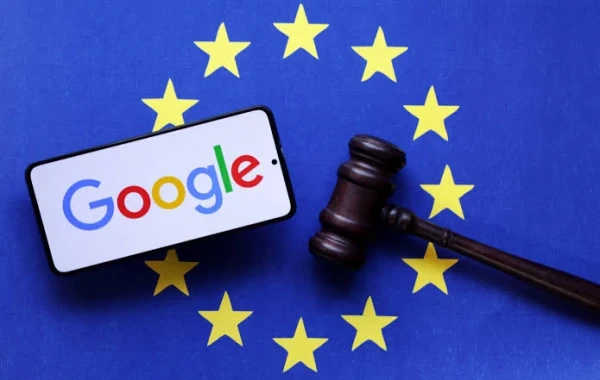
EU Orders Google to Open Android and Search Data to OpenAI, Perplexity and AI Rivals
Google is facing one of its biggest regulatory challenges in Europe after the European Commission issued legally binding measures requiring the company to open important parts of Android and Google Search to competing artificial intelligence services.
The decision is designed to reduce Google's dominance in search and mobile software while giving rival AI companies a better opportunity to compete on Android devices. Regulators believe users should be free to choose their preferred AI assistant instead of being locked into Google's own Gemini ecosystem.
Under the new rules, Google will be required to make several Android system features available to competing AI assistants that satisfy privacy and security requirements. This means users could eventually activate alternative assistants using voice commands, complete tasks such as booking rides, sending messages, or searching for information without relying exclusively on Gemini. The European Commission says these measures are intended to create a more competitive mobile ecosystem where innovation is driven by consumer choice rather than platform control.
The ruling goes beyond Android. Google must also begin sharing certain anonymized Google Search data with qualified competitors that operate AI-powered search products. Companies developing conversational search engines will gain access to valuable information previously available only to Google, potentially improving the quality and accuracy of competing AI services. Regulators argue that access to search data is essential if smaller companies are to compete fairly with one of the world's largest technology firms.
The decision could significantly benefit companies including OpenAI, Perplexity AI, and other developers building AI search experiences. These firms have rapidly expanded over the past two years but still lack access to the enormous amount of search data Google has accumulated over decades. Better interoperability with Android and improved access to search information could accelerate development of new AI assistants capable of competing directly with Gemini in Europe.
Google has strongly criticized the Commission's decision, warning that forcing the company to expose key Android functions and search information could create new privacy and cybersecurity risks for users.
Company executives argue that many of Android's security protections depend on tightly controlled system access and that opening these interfaces to competitors may introduce new vulnerabilities if not managed carefully. Google says it had proposed alternative compliance measures that would protect users while meeting regulatory objectives, but regulators rejected those proposals.
European officials disagree with Google's concerns. According to the Commission, only companies that meet strict privacy and security standards will receive access to Android capabilities and search data.
The Commission says the objective is not to weaken Google's products but to ensure fair competition under the Digital Markets Act, legislation specifically designed to prevent dominant technology companies from limiting competition across digital markets.
The impact of the ruling could extend far beyond Europe. Regulatory decisions made under the Digital Markets Act often influence technology policy in other regions, and governments around the world continue examining how large technology platforms should interact with AI competitors.
If similar requirements are adopted elsewhere, Google, Apple, Microsoft, and other platform providers may face increasing pressure to make their ecosystems more open to competing AI services.
For users, the biggest change could be greater freedom in choosing AI assistants on Android devices. Instead of relying primarily on Gemini, people may soon have the option to set competing AI products as their default assistant, creating more competition in one of the fastest-growing areas of technology.
As artificial intelligence becomes central to smartphones, search engines, and digital productivity, the battle for user choice is quickly becoming one of the defining stories of the global AI industry.







0 Comments:
Leave a Reply